
What Is a Cash Based Practice? The Complete Guide for Healthcare Providers
A cash based practice is a healthcare business model where the provider is paid directly by the patient at the time of service, rather than billing insurance companies for reimbursement. Patients pay out of pocket, sometimes with the option to submit a superbill to their insurance for partial reimbursement, but the practice itself does not depend on insurance contracts, credentialing, or claims processing to generate revenue.This model is also called cash pay, private pay, fee for service, or out of network. All of these terms describe the same core structure. The provider sets their own rates, controls how much time they spend with each patient, and is not bound by insurance authorization requirements or reimbursement schedules.
How a Cash Based Practice Differs From an Insurance Based Practice
Insurance Based

In an insurance based model, the provider bills a payer for each visit and is reimbursed according to a fee schedule set by that payer, not by the provider. The provider has limited control over pricing, session length is often dictated by what insurance will cover, and revenue depends on approval processes, documentation requirements, and audit risk.
Cash Based

In a cash based model, the provider sets pricing based on the value of the service and the market they serve. Session length, treatment approach, and patient experience are designed around what produces the best outcome, not what an insurance code allows. Revenue is collected immediately rather than after a claims cycle that can take weeks.
Why Providers Are Moving Toward Cash Based Models Now

This shift is not just a preference trend. It is increasingly a financial necessity. Reimbursement for physical therapy and occupational therapy has been declining for over two decades, with payments down close to 30 percent over the past twenty years once earlier cuts are accounted for, and closer to 40 percent when adjusted for inflation against original rates. Heading into 2026, CMS finalized a modest increase to the Medicare conversion factor, but offsetting reductions to relative value units mean most PT and OT practices will still see a net negative impact on Medicare revenue this year, continuing a trend that has now persisted for several consecutive years.At the same time, documentation requirements and audit frequency are increasing, which raises the administrative cost of running an insurance dependent practice without raising the revenue that supports it. For many providers, the math has simply stopped working. A cash based model removes the practice from this cycle entirely, or at minimum reduces dependence on it through a hybrid structure.
The Main Cash Based Practice Models


Is a Cash Based Practice Legal?
Yes. Providers are permitted to see patients on a private pay basis in the vast majority of circumstances, including many cases where a provider is not enrolled in Medicare or other insurance networks at all. However, there are specific rules that vary by state and by payer, particularly around Medicare opt out requirements, balance billing restrictions, and how a provider communicates with patients who have insurance but choose to pay privately. This is not something to guess on. Any provider building a cash based practice should confirm their specific compliance requirements with a healthcare attorney or billing compliance specialist familiar with their state and specialty, since the rules differ meaningfully depending on licensure type and payer mix.
How to Know if a Cash Based Practice Will Work in Your Market
Three factors matter most.
1. The specific value the provider offers needs to be something patients cannot easily get through their insurance, whether that is more time per session, a specialized clinical approach, or an outcome insurance based care in that market does not reliably deliver.
2. The local market needs enough patients who are willing and able to pay out of pocket for that value, which varies significantly by region and specialty.
3. And most often overlooked, the provider needs marketing and patient acquisition systems built specifically for cash pay decision making, since the sales conversation with a self pay patient is fundamentally different from an insurance covered patient walking in on a referral.
What It Actually Takes to Build One
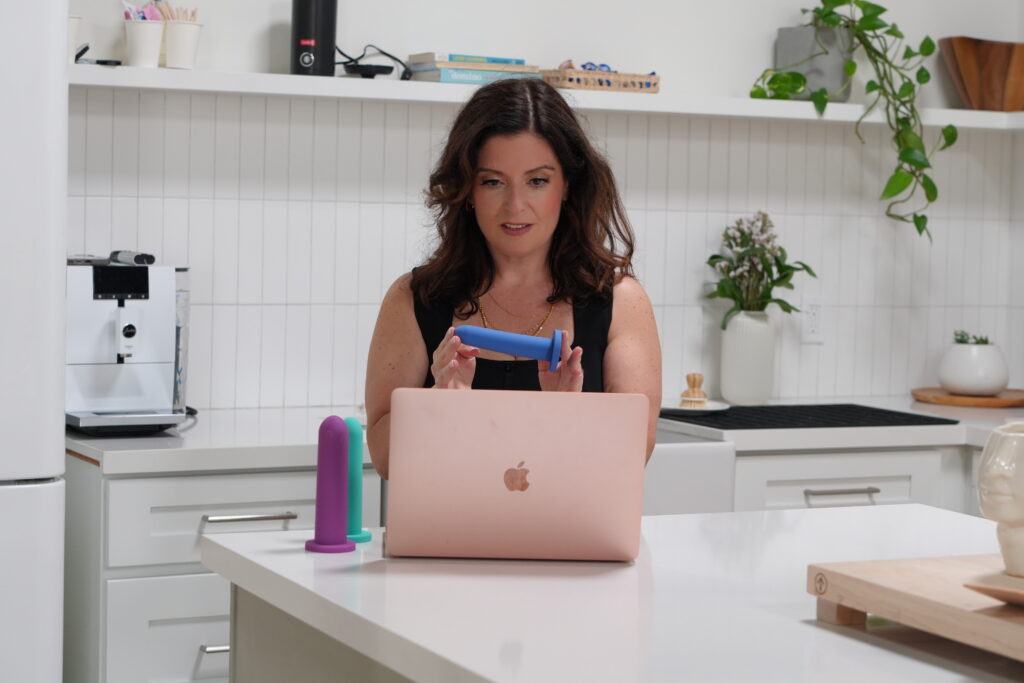
A cash based practice that works long term is built on four things working together. Clear positioning that explains to a specific patient why this approach is worth paying for directly. Pricing that reflects the actual value delivered, not a discounted version of insurance rates. A patient acquisition system, whether digital marketing, community based outreach, or referral partnerships, built specifically around how self pay patients make decisions. And operational systems, from scheduling to follow up to reactivation, that let the practice scale without requiring the owner to manage every detail personally.

Ready to Build Yours?
Kelly Alhooie built her own cash based physical therapy practice from zero patients to seven figures before selling it, and now teaches the systems behind that model through PelviBiz. If you're evaluating whether a cash based practice is right for you, book a free Growth Assessment to map out what it would look like in your specific situation.